Barton Broad was purchased by NWT in 1945, and is the second largest of the Norfolk Broads.
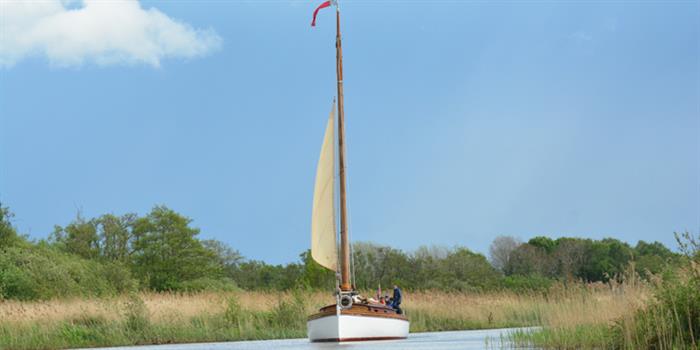
The Broad was dug out in the Middle Ages for peat extraction. Later, the River Ant was diverted through its centre, allowing navigation. Prior to WWII the Broad was famed for its clear waters and rich diversity of aquatic plant life, though in the second half of the 20th century pollution led to increasing nitrate and phosphate levels and an abundance of algae, to the detriment of other biodiversity.
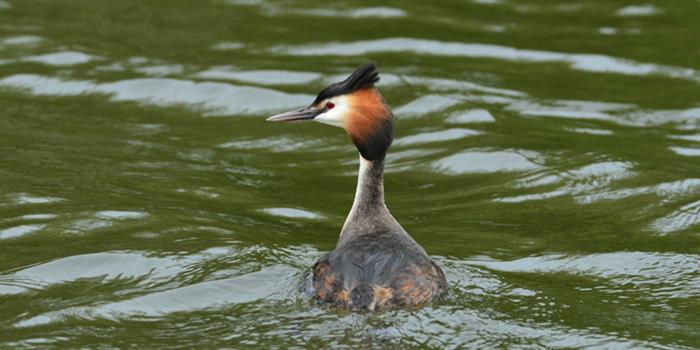
In 1995 a massive mud-pumping operation, called Clear Water 2000, was instigated by the Broads Authority. Subsequently, fish and aquatic plants have made an impressive comeback, along with other species such as common terns (which nest on artificial platforms), otters, kingfishers and herons. The surrounding fen areas are home to a number of nationally rare plants and invertebrates.
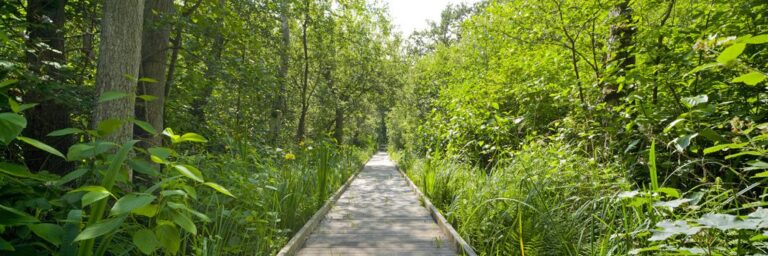
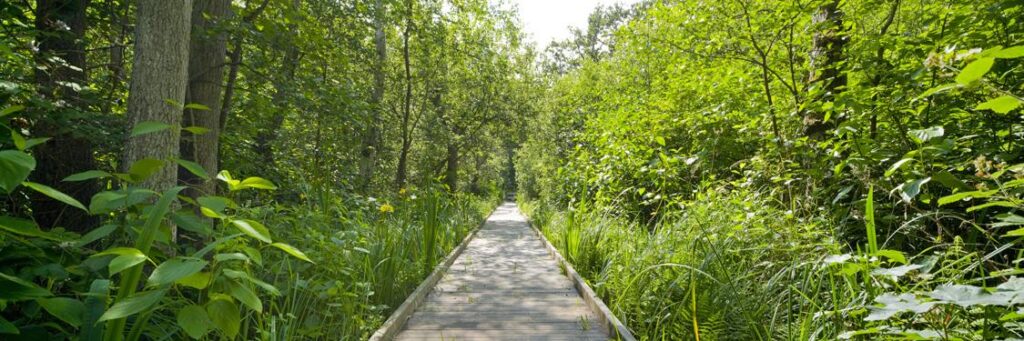
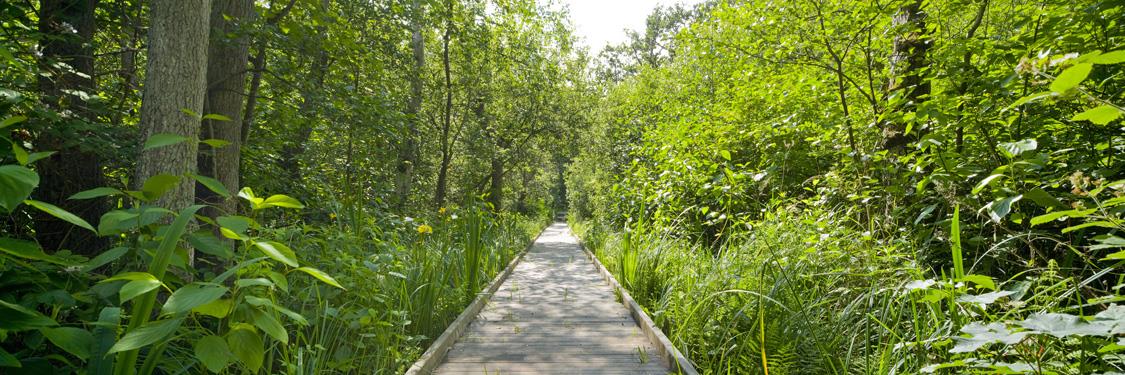
There is a walk of 1.2km from the main car park to the board walk, part along a narrow public road. Entrance to the boardwalk is via the car park.